Infant and toddler years are filled with incredible growth in development, bonding, communication, and discovery. This page offers trusted resources to support families and caregivers of children ages 0-2.
Use the table of contents below to quickly jump to what you need.
Reading to Your Infant or Toddler
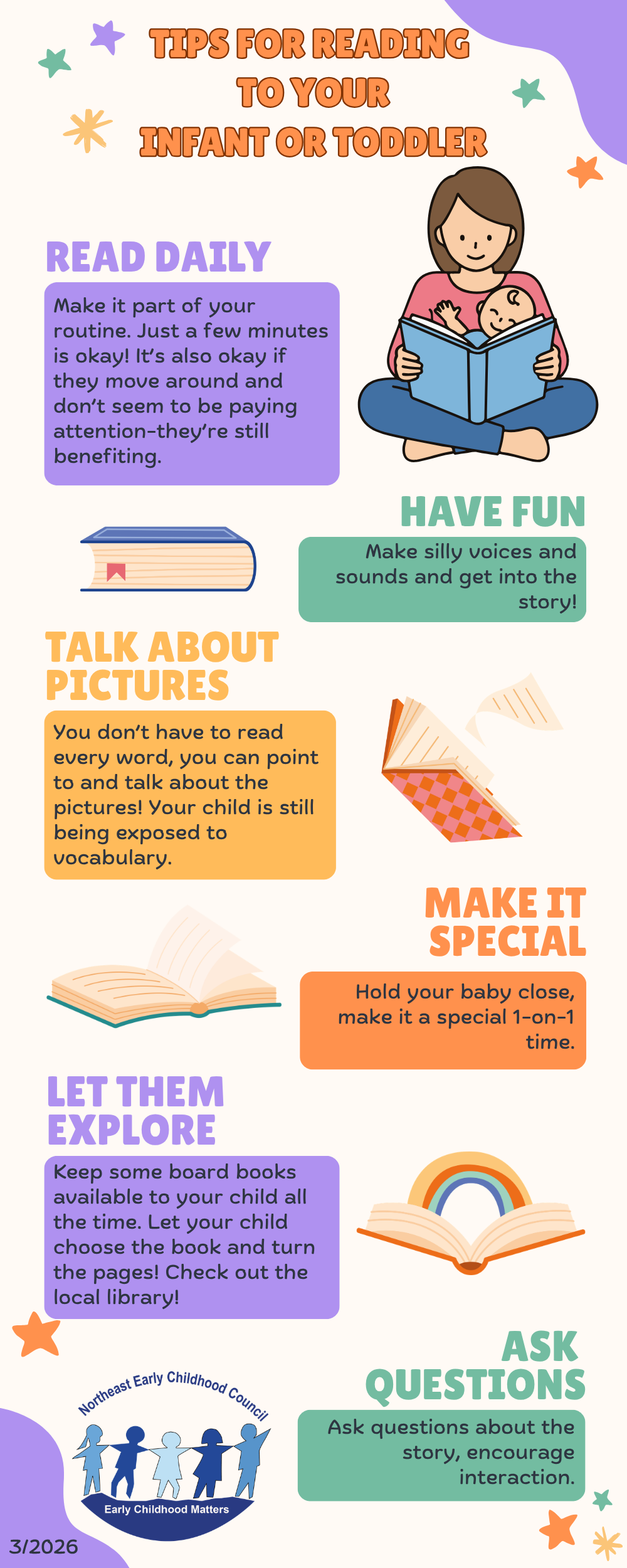
Reading to your infant helps build their brain from the very start. The sound of your voice strengthens language skills, supports early learning, and creates a strong emotional bond. Even before they understand the words, babies are learning rhythms of speech, building listening skills, and feeling comfort and connection through shared moments with you.
Types of books ideal for this age:
- Rhyming & repetitive stories
- Books with real faces and people
- Touch & feel books
- Board books
- High-contrast books for younger infants
- Interactive books
Read to Grow offers free books to families, programs, and they have a Bookmobile! To request free books, complete the form here: Family Book Request Form
Inclusive and Diverse Books For Babies & Toddlers
Three Core Concepts in Early Development: Serve & Return Interaction Shapes Brain Circuitry
Video from Harvard University’s Center on the Developing Child
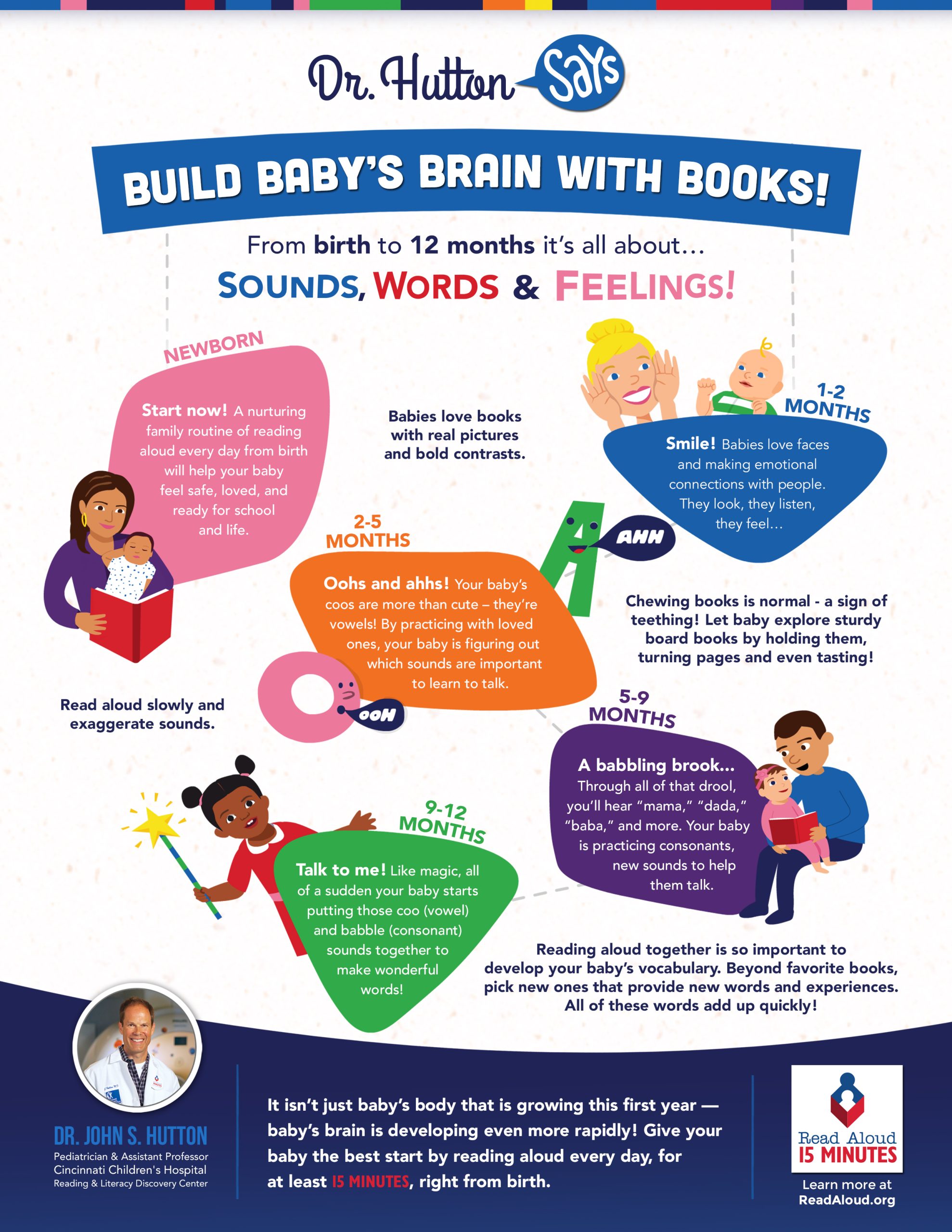
ReadAloud.org suggests reading to your child 15 minutes every day. Their website has resources for parents, including a list of book suggestions by age, as well as a 21-Day Challenge and more.
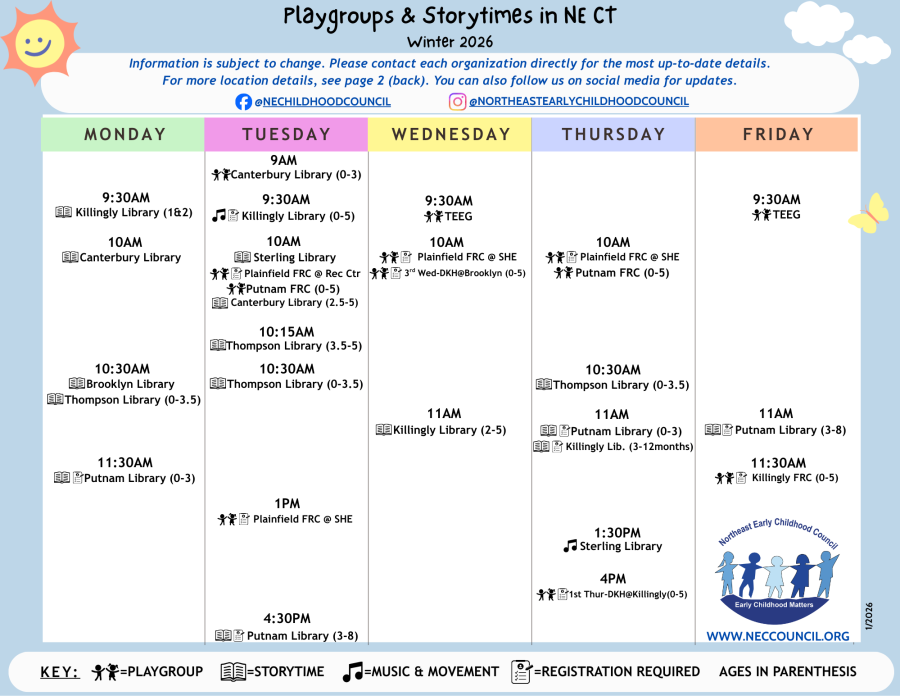
Playgroups & Storytimes
Many of our local Family Resources Centers, libraries, and other organizations offer FREE playgroups for ages 0-3. Playgroup information is always changing; we encourage families to like our Facebook page to be updated on regional playgroup information. In addition, you can locate contact information for organizations that host playgroups/classes for families in pages 26-28 in our resource guide. We encourage you to reach out to those organizations to find out their latest calendar of events or get on their email list for newsletters.
Development & Milestones
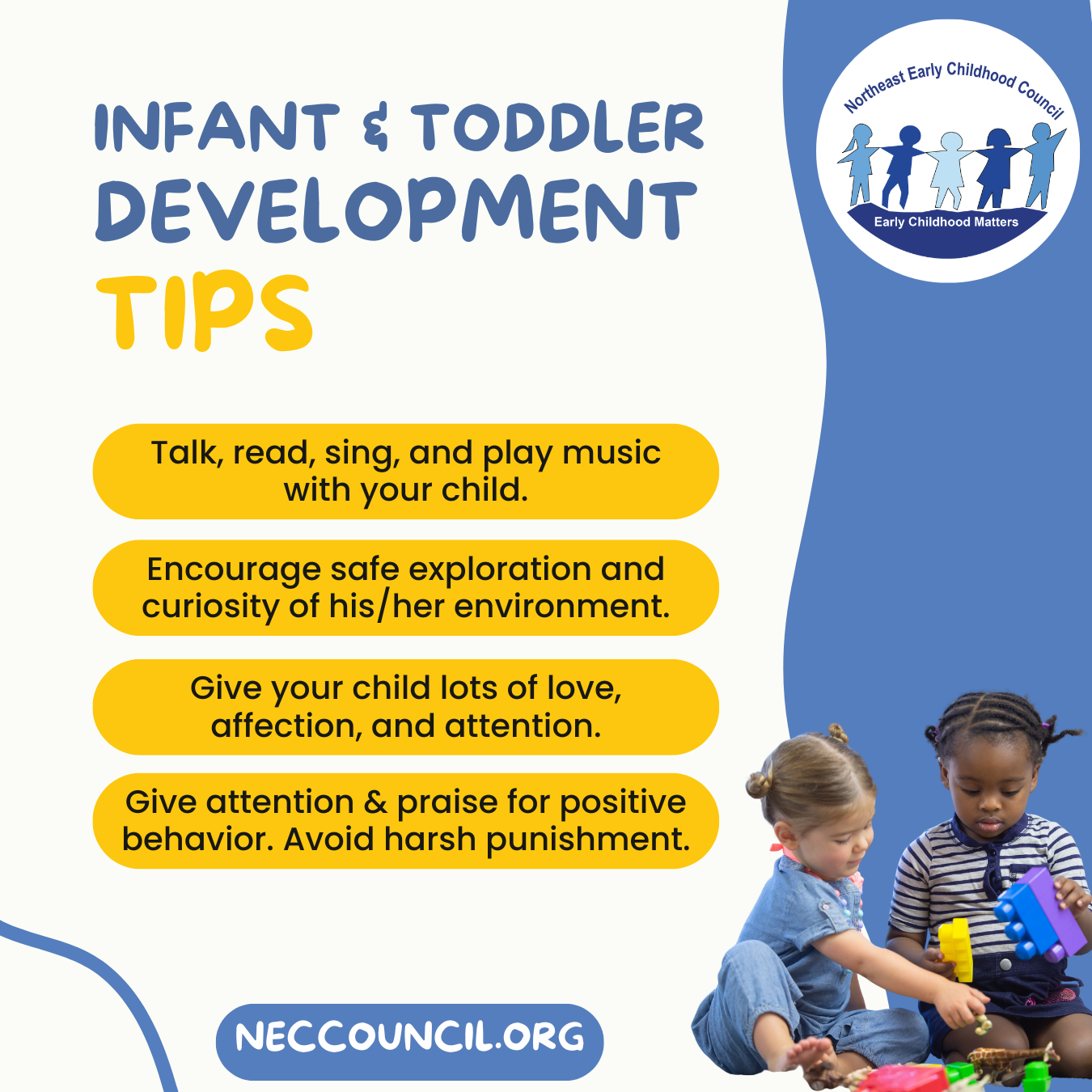
The best person to monitor you child’s development is YOU. If you have any concerns about your child’s development, talk with your child’s doctor, early childhood teacher, or other trained provider about your concerns and ask about development screenings. You can use the links below to access free checklists for milestones by age. The American Academy of Pediatrics recommends that all children be screened for developmental delays and disabilities during regular well-child doctor visits at 9, 18 & 24 or 30 months.
CDC’s Developmental Milestones by Age
Concerns about your child’s development?
211 Child Development supports children’s healthy growth and development starting from pregnancy.Call 1-800-505-7000 to reach a Care Coordinator.
Birth to Three Early intervention programs are available to support eligible families with children, ages birth to 3, who have delays or disabilities. Anyone can make a referral, including parents. No medical provider referral needed. General Birth to Three Questions: 860-500-4400; Make a Referral: 800-505-7000.
Helpful Links for Development
CT ELDS Strategies for Learning at Home The CT Early Learning and Development Standards (CT ELDS) were developed to help families, communities, and schools work together to support children’s early learning and growth. Their site includes useful printouts for every age, filled with simple strategies to help families support learning at home across all areas of development.
Activities for Bonding & Learning from Birth to 12 Months
How Toddlers Learn Self-Control from 12 to 24 Months
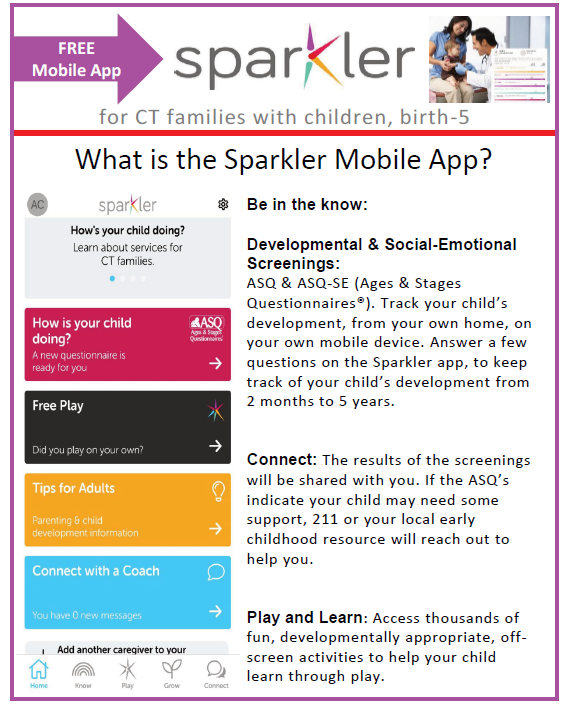
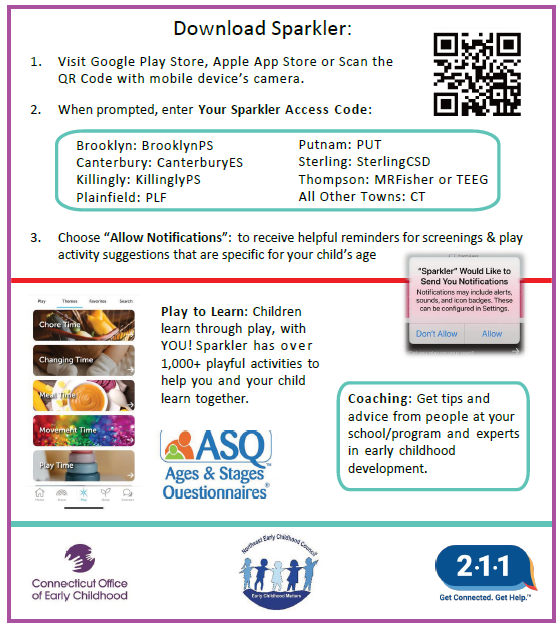
Sparkler’s mobile app provides fun play activities and helps families learn how their children are developing — through observation of age-based play activities and through the leading child development screening questionnaire.
Vision
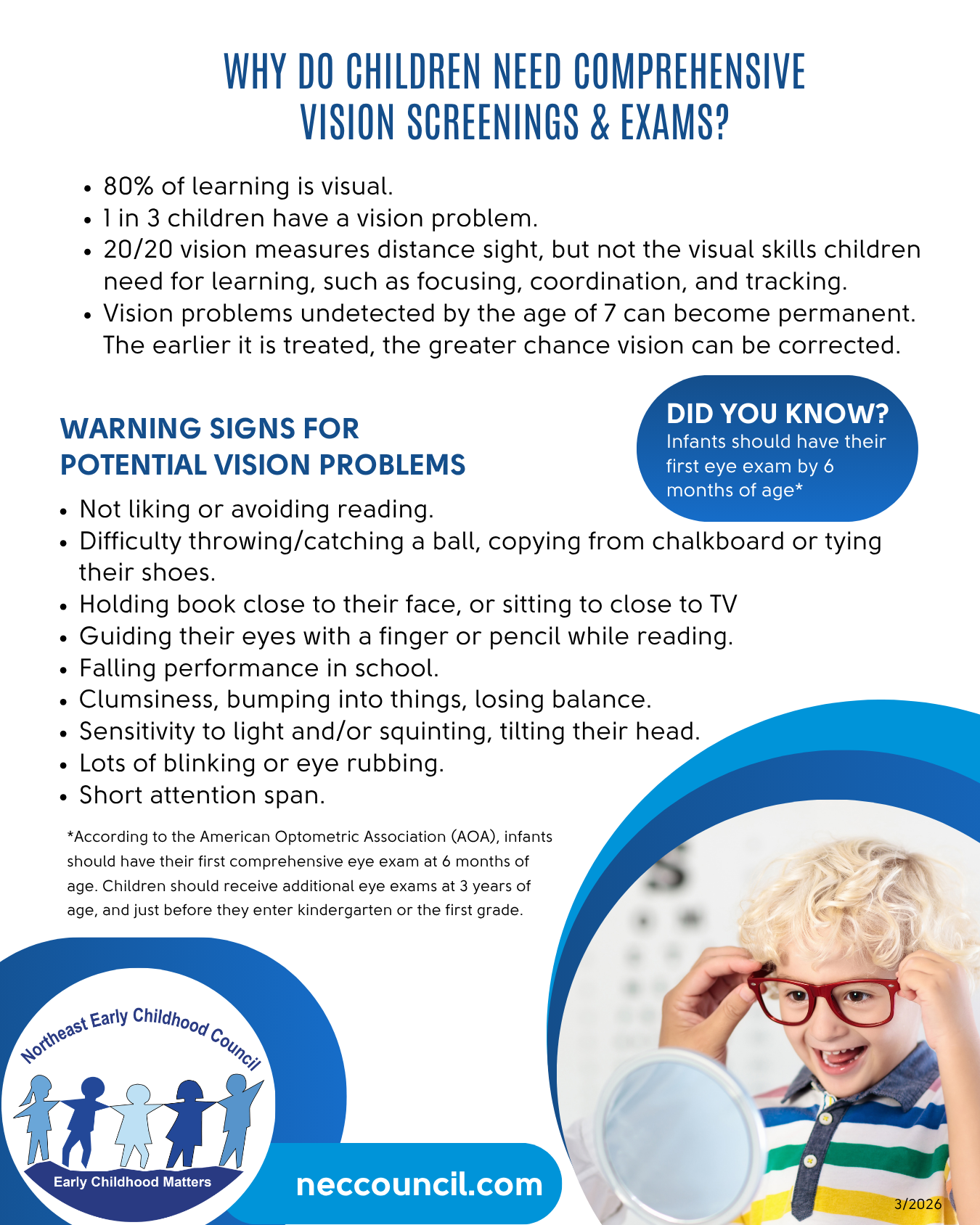
Find an eye doctor by searching on The Vision Council Foundation
Lions KidSight offers free exams in area public schools.
One of NECC’s earlier initiatives took place in the fall of 2015, when we partnered with Lions Clubs International, Killingly Public Schools, and Sterling Public Schools to screen over 1,400 children for vision concerns. Using advanced photo screening technology through the CT Lions KidSight Program, volunteers identified risk factors that may not be detected through traditional methods.
This collaboration helped identify 92 additional students with potential vision problems, who would not have been identified as having vision problems using traditional methods. Early detection is critical, as vision plays a key role in learning and school success.
Motor Development
Tummy Time – Babies need time when they are awake to be on their stomachs to exercise chest and arm muscles and develop head and neck control. This will also reduce flat or bald spots on baby’s head from the sleep position. It’s okay if your baby can only do a few minutes at a time to start! Here are some tummy time tips if your baby doesn’t love it!
More to come…
Safety
Sleep Safety: ALWAYS put your infant on their back to sleep at bedtime and naptime. Remove stuffed animals, pillows or other soft, fluffy and loose bedding from the baby’s sleep area. This includes crib bumpers – they can be a suffocation hazard.
CT Poison Control Center – 800-222-1222
Anchor It educates parents and caregivers about the importance of anchoring furniture to prevent tragic tip-over incidents. Check out their website for how to properly anchor furniture.
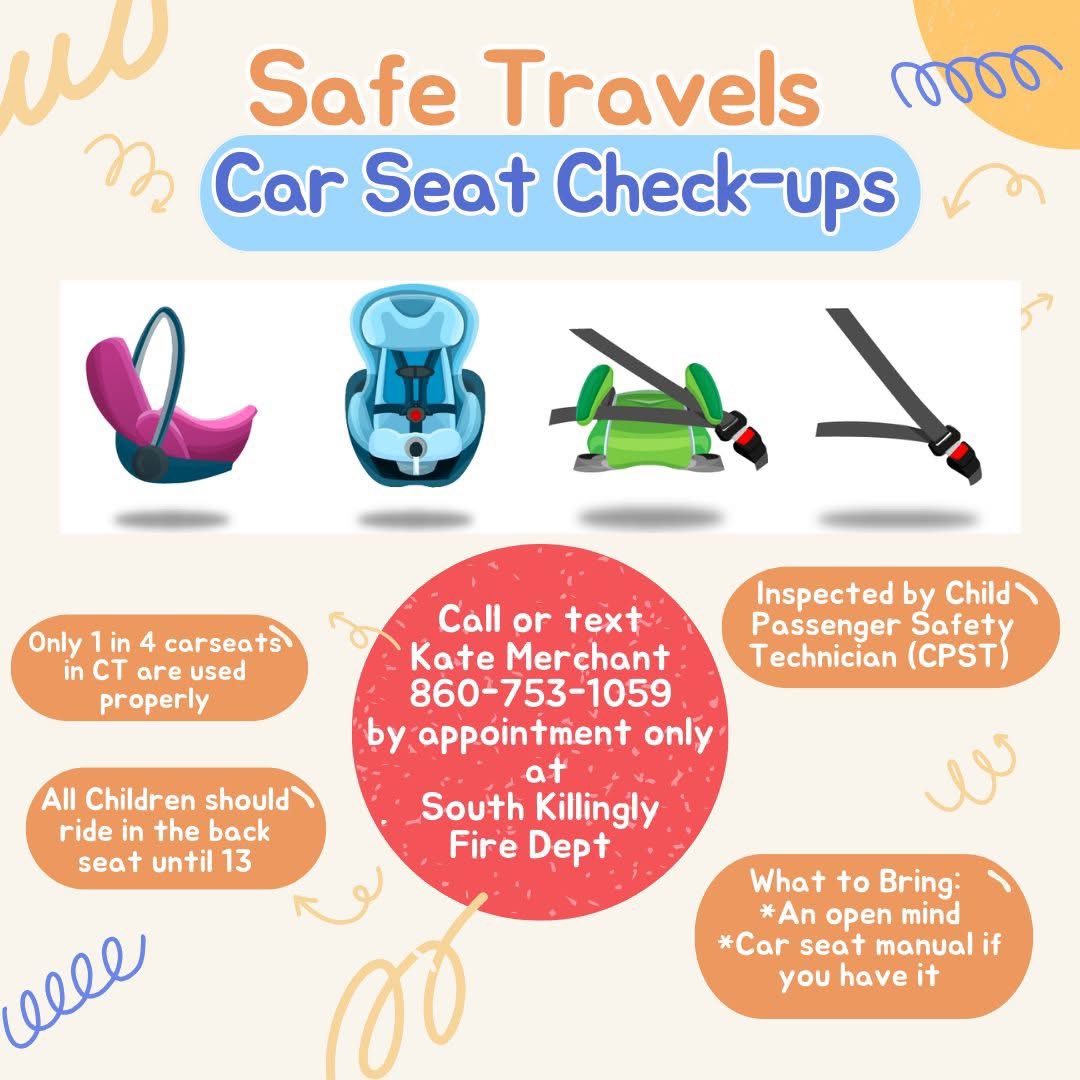
Carseat Safety – Reach out to our local Carseat Technician, Kate Merchant (860-753-1059) to have your carseat checked at South Killingly Fire Dept.
Tips & Help For Parents
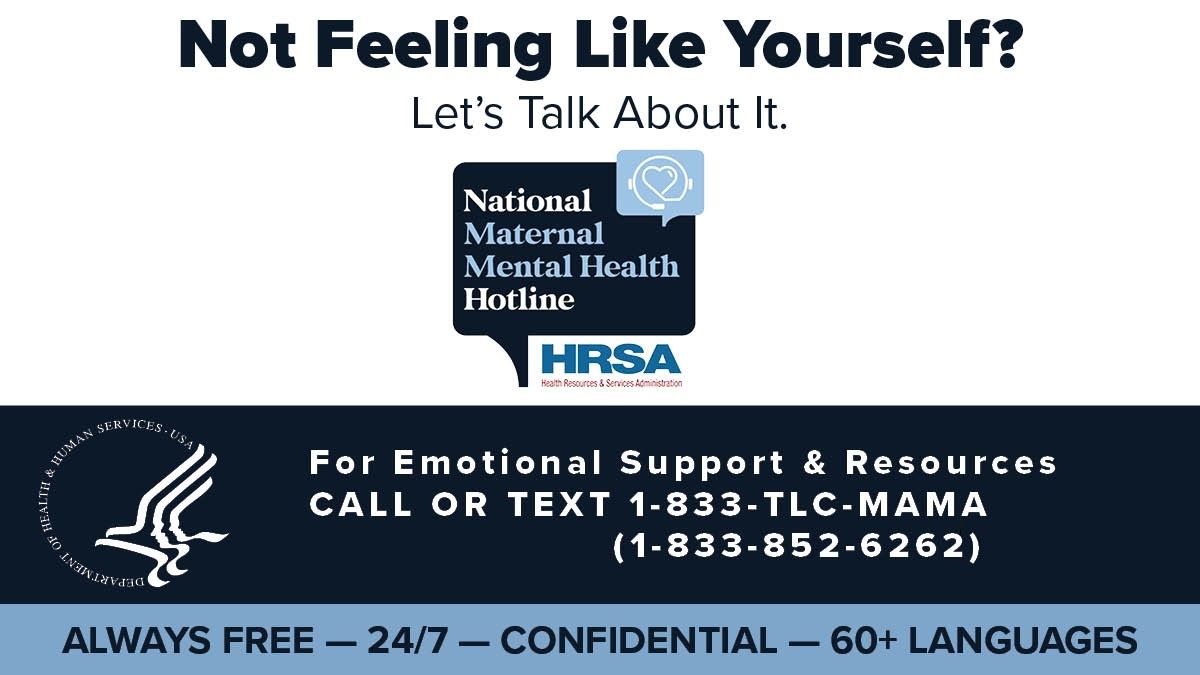
National Maternal Mental Health Hotline – HRSA – 1-833-TLC-MAMA
The National Maternal Mental Health Hotline is a free, confidential and 24/7 hotline offering help for mothers that are pregnant or just had a baby. You can call or text number or chat on website.
Cluster Feeding – Cluster feeding is when a baby wants to nurse more frequently than usual over a few hours, often with short breaks between feeds. It’s common in newborns and typically happens during growth spurts or in the evening. Cluster feeding helps babies get the extra nutrition they need and can also help build a parent’s milk supply. Read more about cluster feeding here.
Infant Massage – Infant massage can help bonding, aid digestion, reduce colic and more! DKH’s Nurturing Families Network offers a free infant massage series. Check their website to find out more information and see when their next class is.
Sleep Challenges: Why It Happens, What To Do
The Daddy Factor: How Fathers Support Development
7 Things Dads With You Knew About How They Really Feel About Parenting
Parenting Tips
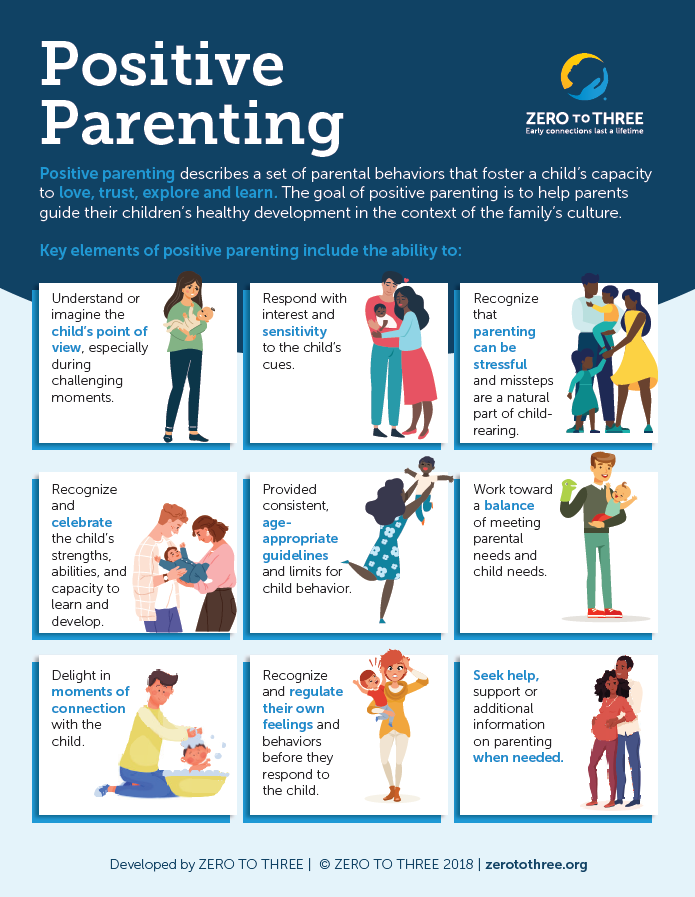
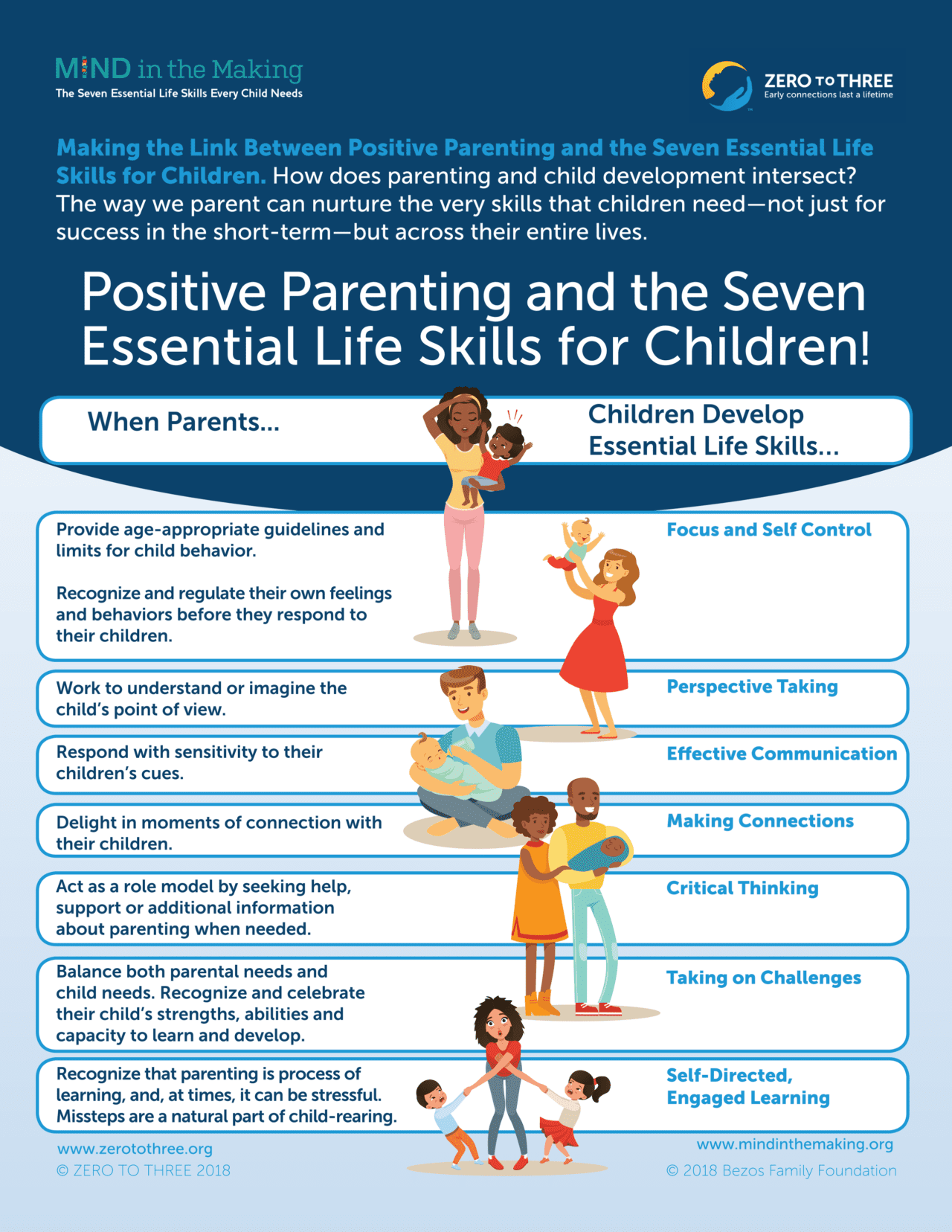
Loving Yourself as You Are (There’s No Such Thing as a Perfect Parent)
Peace At Home Parenting is an evidence-based parenting wellness website that supports parents at every stage of parenthood, reducing burnout for working parents, keeping them healthy and engaged. They offer everything from free virtual workshops, 1-1 consulting to quick tips to cover every stage of parenting.
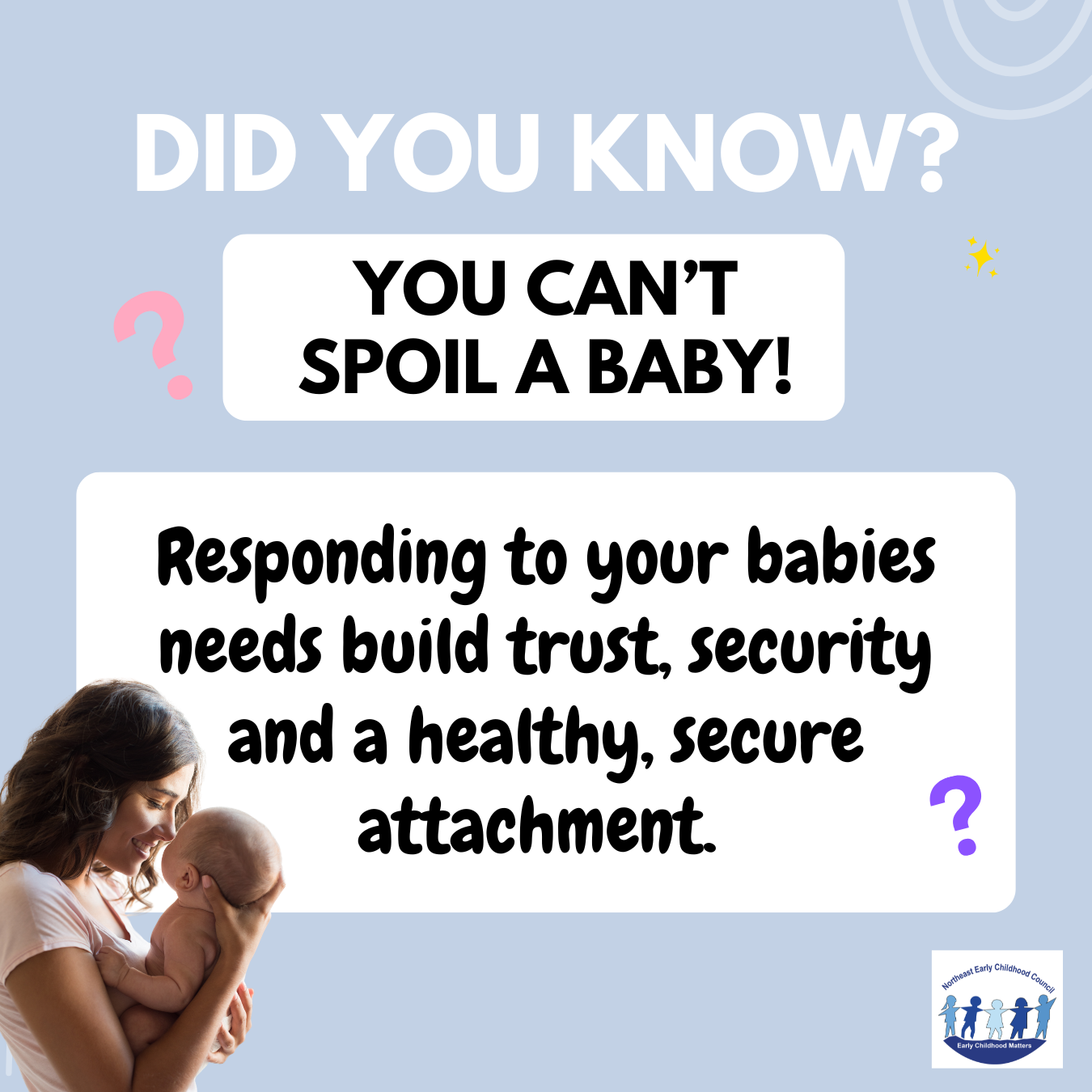
Attachment Parenting is a style of raising infants that aims to promote a close relationship between the baby and it’s parent. Learn about 7 tips for attachment parenting from Ask Dr. Sears.